Be yourself; Everyone else is already taken.
— Oscar Wilde.
This is the first post on my new blog. I’m just getting this new blog going, so stay tuned for more. Subscribe below to get notified when I post new updates.
Be yourself; Everyone else is already taken.
— Oscar Wilde.
This is the first post on my new blog. I’m just getting this new blog going, so stay tuned for more. Subscribe below to get notified when I post new updates.
Introducing rooibos (pronounced “ROY-boss”), one of the hottest tea varietals to drink right now.
An herbal tea from South Africa, rooibos is a delicious, caffeine-free way to upgrade your tea habit. Boasting 50 percent more antioxidants than green tea, rooibos tea touts more benefits than green, black, and maybe even matcha tea.
While other teas have an acquired taste, rooibos tea has a sweet, mild flavor profile with notes of honey and vanilla. In fact, the red beverage is considered one of the most palate-pleasing types of tea out there.
For centuries, South Africans have used rooibos for its myriad health benefits, including to relieve teething gums, soothe colicky babies, and promote better and deeper sleep.[1] Its anti-inflammatory powers and antioxidant content also show promise in protecting against many diseases, including cancer, heart disease, and diabetes. Rooibos tea may even help with weight loss.
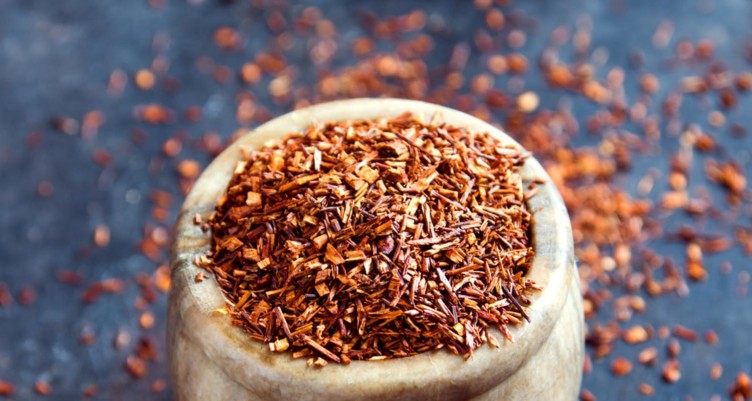
Rooibos tea comes from the shrub aspalathus linearis, and isn’t actually a true tea — it’s an herb. The leaves are long and needle-like. When it is harvested and dried, rooibos is brewed into a reddish-brown herbal infusion also known as African red tea and red bush tea. The plant is cut by hand and then bruised to encourage oxidation to develop the rich color and flavor. As it oxidizes, rooibos becomes redder and sweeter.
It has a mild, aromatic taste that is sweet and fruity with hints of vanilla and honey. You can drink it just as you would black or green tea — plain, with lemon and sweetener, as a creamy latte, or with butter as a caffeine-free substitute for Bulletproof Coffee.
In the late 1990s, green rooibos tea, a non-fermented, less oxidized type of rooibos, was invented. This less-oxidized version means it maintains a higher integrity of antioxidants.[2][3] As for taste, green rooibos has a more grassy, mineral-like flavor.
Rooibos contains 50% more antioxidants than green tea. Antioxidants clean up the harmful free radicals that can damage cells and cause cancer, curbing cellular damage and inflammation.
Research shows that drinking rooibos tea boosts levels of master antioxidant glutathione in the body. More powerful than any other antioxidant, glutathione protects against inflammation, toxins, free radicals, and pathogens. Think of it as your body’s own natural detoxifier.
Aspalathin — found only in rooibos tea — and nothofagin are two such polyphenols (a type of antioxidant) that have been shown to have powerful anti-inflammatory and cancer-fighting powers.

Inflammation is a key player in the role of heart disease. A study involving 17 healthy volunteers took a look at the effect of green, black, and rooibos tea had on angiotensin-converting enzyme (ACE), an enzyme located in the inner layer of blood vessels that causes blood vessels to shrink, thus increasing blood pressure. The study found that one hour after people drank 13.5 ounces of rooibos tea, ACE levels went down, lowering participants’ blood pressure.
Another study over a six-week period showed that drinking six cups of rooibos tea daily significantly increased total polyphenol levels, which improved HDL “good” cholesterol. It also lowered “bad” LDL cholesterol and triglycerides, another lipid found in your blood.

The benefits of rooibos tea go beyond drinking it. Research shows that applying a 10% rooibos tea extract to hair significantly increased hair growth in almost 90 percent of the volunteers.
Rooibos extract is also recommended to use on the skin for its anti-inflammatory, antimicrobial, and soothing properties.
Studies have shown that rooibos tea is pro-apoptotic and anti-proliferative on skin cancer cells in vitro and on mouse skin. Translation: it helped destroy cancer cells and keep them from spreading in test tubes and in animal studies. More research on humans is needed to know for sure.

Low calorie and naturally sweet, with the help of the antioxidants and balancing blood sugar, rooibos tea can be a great addition to your beverage choices while trying to lose weight.
Research suggests that aspalathin, an active ingredient in rooibos tea, helps reduce stress hormones that trigger hunger and fat storage, which is also linked to heart disease, metabolic syndrome, insulin resistance and type 2 diabetes. Data from this study showed that rooibos tea has the potential for preventing obesity by affecting the balance of energy and how it’s used as energy or stored as fat.

Researchers studied the effect of antioxidants aspalathin and nothofagin on inflammation caused by high blood sugar and found that it lowered inflammation in the vascular system (aka arteries and blood vessels). People with diabetes tend to have chronic, low levels of inflammation that affects insulin’s function and contributes to the disease. Reducing inflammation may therefore provide major benefits in the treatment of diabetes and diabetic complications.
Another study in type 2 diabetic mice found that aspalathin helped balance blood sugar by stimulating the glucose uptake in muscle tissues.
In a study using rabbits and mice, results showed that rooibos tea benefits the digestive system by reducing diarrhea, calming muscle spasms in the stomach, and decreasing gastric secretions. The presence of flavonoids such as quercetin, luteolin, and others are thought to be the reasons for the beneficial effects on the GI system.
In 1968, Annetjie Theron was a South African mother who was struggling with a colicky infant. She discovered that a rooibos tea infusion calmed her baby of chronic restlessness, vomiting, and stomach cramps. She studied the benefits of rooibos tea and eventually went on to create her own products using Rooibos extract.

While the development of cancer is a complex process, it has been well established that oxidative damage, generally associated with free radicals, is responsible for cancer development. Quercetin and luteolin are two flavonoids found in rooibos tea that have been studied on pancreatic tumor cells, showing they suppress tumor growth and promote cancer cell death.

The variety of polyphenols in rooibos tea has been shown to improve osteoblast activity (aka cells that develop bones).
The flavonoids orientin and luteolin were specifically studied on bone cells and showed an increased level of bone growth and mitochondrial activity. These flavonoids enhanced the mineral content of the bone cells used in the study.
The rooibos tea that I would recommend to anyone is the one that I drink everyday. You can check it out here.
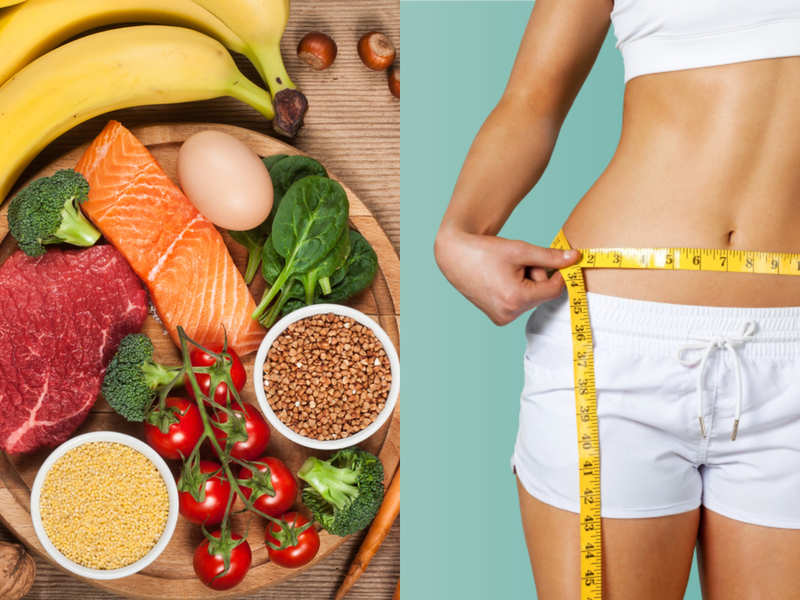
Well, reducing weight is a tough job and it takes months and months of hardwork and most of the time people just quit because they don’t do it right and it doesn’t work. Do you know why? Because everyone is telling you everything wrong.
Most people will tell you to diet eat lo carbs food, but today I am going to tell you 3 practical steps which will help to actually reduce weight fast because I have been successful in reducing weight with these steps.
3 Steps to actually reduce weight:
2. Lift Weight and do cardio exercises atleast 3 times a week- Lifting weight and doing cardio exercises because such exercises burns a lot of calories.
3. One major problem with reducing weight is that people give up because they can’t loose weight because they have been doing it all wrong. It is true that it is not easy and reducing weight naturally really takes months of hardwork, I gave up many times, but then I knew that I had to do something, and one day friend suggested me to try a herbal tea and it wasn’t really expensive so I gave it a try and I actually reduced my weight by 15 Kg in 2 months not just with the tea but following all other steps as well but I think the tea did the most part, so here I am suggesting you this tea but I have a request, If you are a person who doesn’t believe in such products then please close this window right now but if you really want to reduce your weight then try this. I guarantee this helps. So check it out here.

This is an example post, originally published as part of Blogging University. Enroll in one of our ten programs, and start your blog right.
You’re going to publish a post today. Don’t worry about how your blog looks. Don’t worry if you haven’t given it a name yet, or you’re feeling overwhelmed. Just click the “New Post” button, and tell us why you’re here.
Why do this?
The post can be short or long, a personal intro to your life or a bloggy mission statement, a manifesto for the future or a simple outline of your the types of things you hope to publish.
To help you get started, here are a few questions:
You’re not locked into any of this; one of the wonderful things about blogs is how they constantly evolve as we learn, grow, and interact with one another — but it’s good to know where and why you started, and articulating your goals may just give you a few other post ideas.
Can’t think how to get started? Just write the first thing that pops into your head. Anne Lamott, author of a book on writing we love, says that you need to give yourself permission to write a “crappy first draft”. Anne makes a great point — just start writing, and worry about editing it later.
When you’re ready to publish, give your post three to five tags that describe your blog’s focus — writing, photography, fiction, parenting, food, cars, movies, sports, whatever. These tags will help others who care about your topics find you in the Reader. Make sure one of the tags is “zerotohero,” so other new bloggers can find you, too.

 The fittest